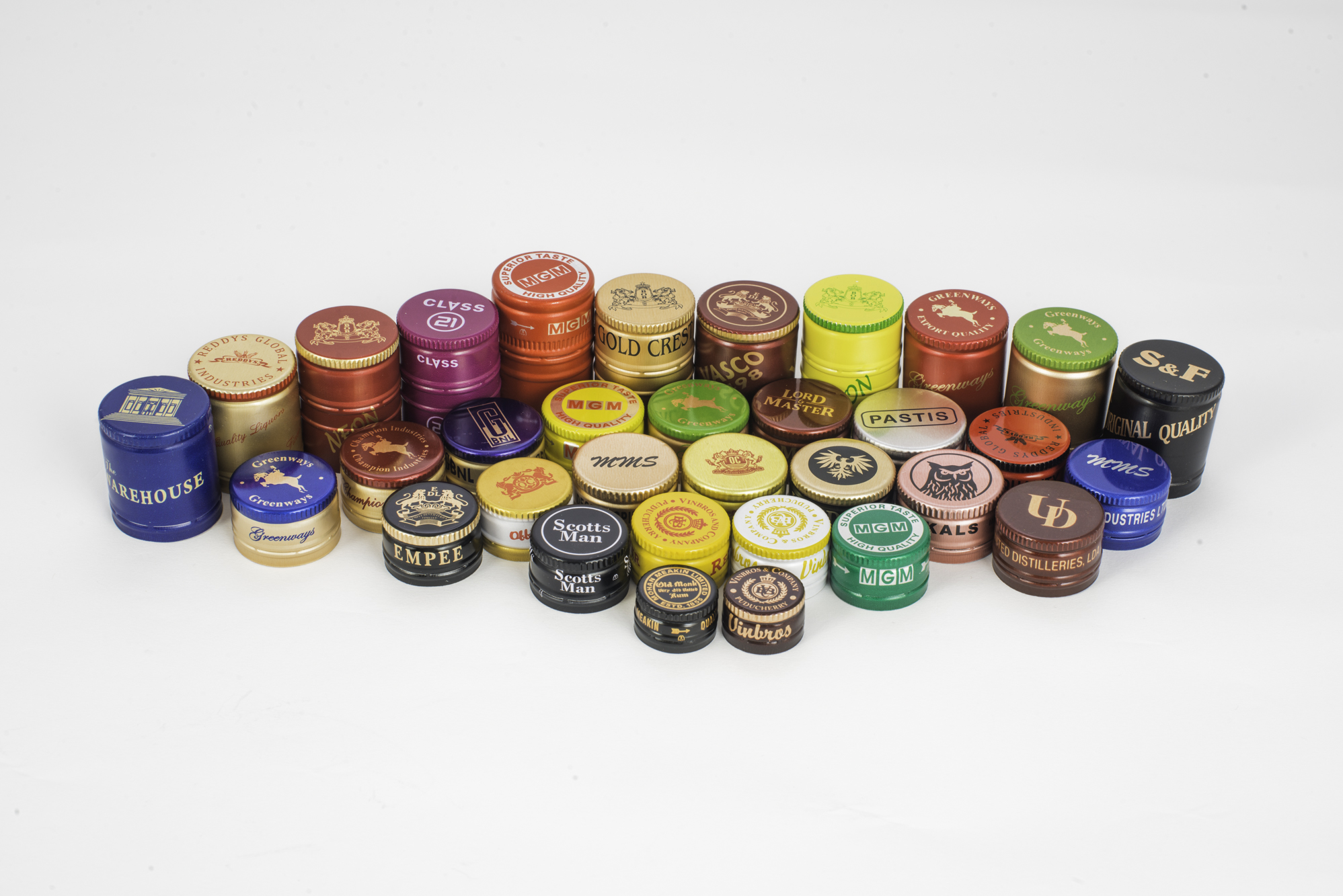
In the global shift toward sustainable packaging, brands, regulators, and consumers are paying closer attention to every packaging component — not just bottles, but also the closures that seal them. While closures are often overlooked, they play a critical role in product safety, recyclability, and overall environmental impact.
The discussion around aluminium vs plastic closures is no longer limited to cost or visual appeal. Today, it is closely tied to long‑term sustainability goals, circular economy alignment, and changing consumer expectations. This is especially relevant for food and beverage brands, where beverage bottle closures sustainability has become a key consideration in packaging decisions.
This article explores how aluminium and plastic closures compare from a sustainability perspective and which option delivers stronger environmental and brand value over time.
Aluminium closures, particularly aluminium caps for beverages, are increasingly recognised as a responsible choice for brands focused on sustainable packaging.
Aluminium is one of the few packaging materials that can be recycled repeatedly without any loss in quality or performance. According to the International Aluminium Institute, nearly 75% of all aluminium ever produced remains in use today.
In addition, recycling aluminium uses up to 95% less energy compared to producing primary aluminium, making it one of the most energy‑efficient packaging materials over its lifecycle.
When evaluated across production, usage, and post‑use recovery, aluminium closures generally show a lower lifecycle carbon footprint than plastic alternatives. High collection rates and closed‑loop recycling systems contribute to this advantage.
Aluminium provides excellent resistance to oxygen, moisture, UV light, and external contaminants. For beverages, this translates into better shelf‑life protection, preservation of taste and aroma, and reduced product spoilage.
Beyond sustainability, aluminium closures offer a premium look while supporting tamper evidence and secure sealing. Manufacturers such as Alutop produce a wide range of aluminium closures, including aluminium ROPP caps, designed to meet functional, safety, and branding requirements across beverages, pharmaceuticals, cosmetics, and other regulated industries.
Plastic closures, typically made from polypropylene (PP) or high‑density polyethylene (HDPE), remain widely used due to lower upfront costs and ease of manufacturing. However, their environmental impact is under increasing scrutiny.
Although plastics are technically recyclable, plastic caps recycling challenges remain significant worldwide. Small size, mixed materials, and contamination often prevent effective sorting and recovery. As a result, many plastic caps are either downcycled into lower‑value products or disposed of as waste.
Unlike aluminium, plastic degrades with each recycling cycle. This limits its long‑term reuse potential and reduces its ability to support circular economy systems.
Plastic closures frequently end up in landfills or marine environments. Due to their size and volume, caps are consistently among the most commonly found items in coastal and environmental clean‑up efforts.
While plastic closures may offer short‑term economic benefits, their sustainability limitations are becoming increasingly difficult for responsible brands to overlook.
This comparison highlights why the sustainability debate around aluminium vs plastic closures continues to gain importance, particularly in consumer‑facing industries.
For brands seeking to balance performance, compliance, and sustainability, aluminium closures offer clear long‑term advantages:
Whether used on wine bottles, beverage containers, pharmaceutical syrups, or cosmetic packaging, an aluminium ROPP cap combines environmental responsibility with reliable sealing performance.
Alutop is an established manufacturer of aluminium closures serving the beverage, pharmaceutical, and consumer goods sectors. With over three decades of industry experience, Alutop focuses on:
Alutop supports brands looking to transition away from plastic closures toward more sustainable packaging solutions without compromising on quality or compliance.
When comparing aluminium and plastic closures, the sustainability advantages of aluminium are clear. From infinite recyclability and lower lifecycle emissions to stronger consumer perception and post‑use recovery, aluminium closures consistently outperform plastic alternatives.
As sustainability becomes a core business priority rather than a marketing trend, choosing aluminium closures represents a practical and responsible step forward. Brands evaluating packaging decisions today can strengthen both environmental impact and brand trust by adopting aluminium‑based closure solutions.
For organisations exploring more sustainable packaging options, partnering with Alutop offers access to proven aluminium closure solutions designed for long‑term performance and environmental responsibility.